Faces of the Future
UX Designer
Project Lead
Duration
Oct 2025 - Nov 2025
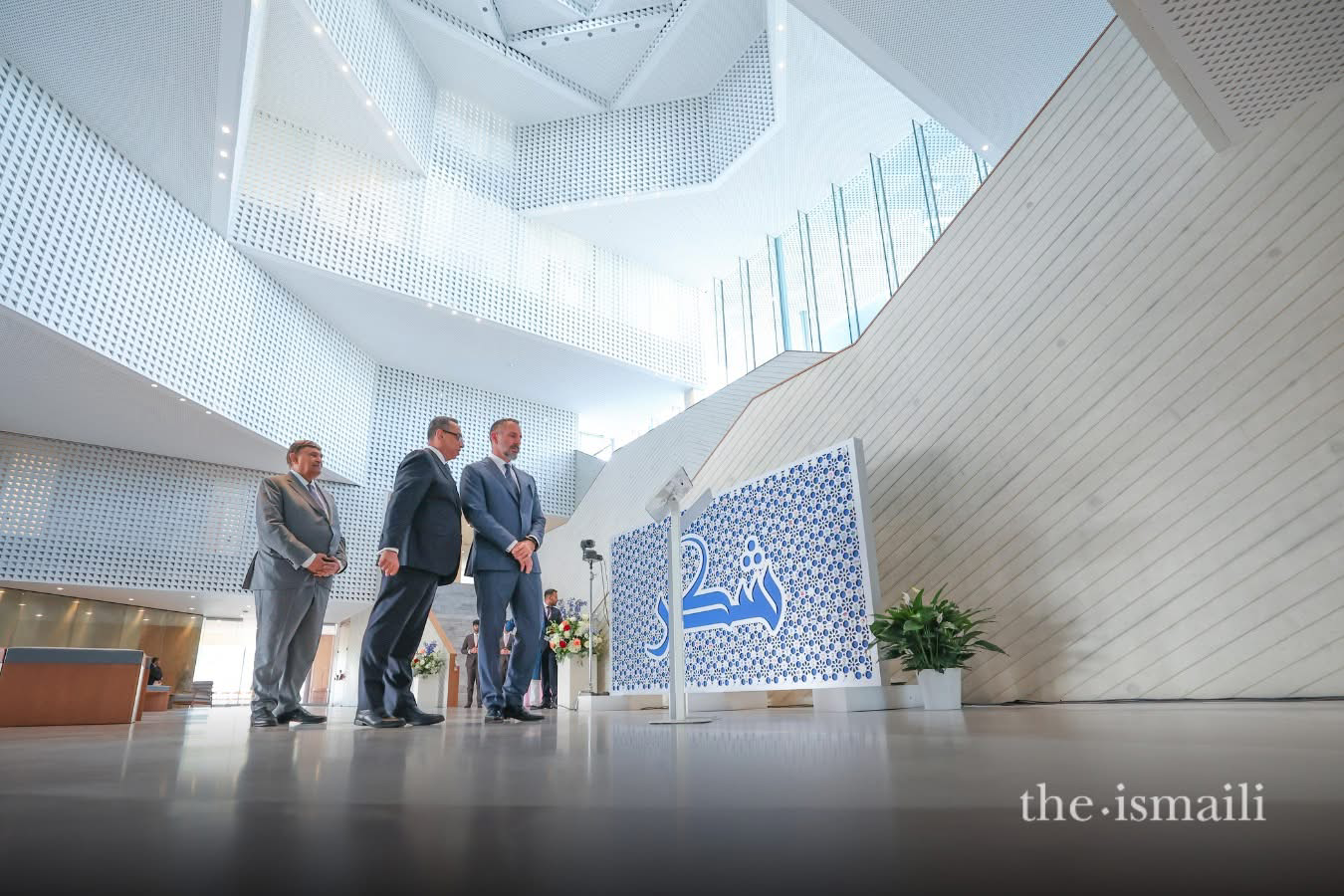
Designed an interactive, location-based mobile experience for the Ismaili Muslim community that celebrated and showcased current college students across institutions. The project transformed a physical art installation featuring the word “Shukar” (Arabic for thanks) into a digital storytelling platform, allowing users to tap on college logos to unlock student profiles, stories, and institutional representation. The experience was intentionally designed to be intuitive and accessible for users of all ages, prioritizing inclusivity and equitable representation while fostering excitement and pride. By blending physical space with digital interaction, the project highlighted the collective intelligence, diversity, and achievements of the current student population through a shared community experience.
01: Overview
The experience needed to be accessible and functional for a wide range of users regardless of age, technical literacy, or familiarity with emerging technologies. While the interaction leveraged location based NFT functionality, reliance on a single technology introduced potential points of failure and usability barriers. The challenge was to ensure that users could reliably access student stories even if the NFT experience did not function as intended, while engaging with a physical installation. This required designing an experience that was intuitive for children, older adults, and first time users, and that worked seamlessly across multiple access methods without compromising clarity, inclusivity, or engagement.
02: Problem
The project began with close collaboration with project managers and engineers to define goals, technical constraints, and user access flows. With a tight one-month timeline, the team engaged in continuous planning, creating wireframes and interactive prototypes to visualize the experience and communicate design decisions to stakeholders who were less familiar with UX practices. Rapid user testing and QA sessions were conducted throughout to evaluate ease of access, validate interactions, and refine solutions, ensuring the platform was intuitive for users of all ages.
Iterations were guided by feedback loops, usability testing, and ongoing discussions with engineering to address backend limitations and ensure reliability. The process included multiple design reviews and iterative refinement, combining prototyping, testing, and cross-functional collaboration to deliver a seamless, accessible experience across both physical installations and digital touchpoints.
03: Design Process

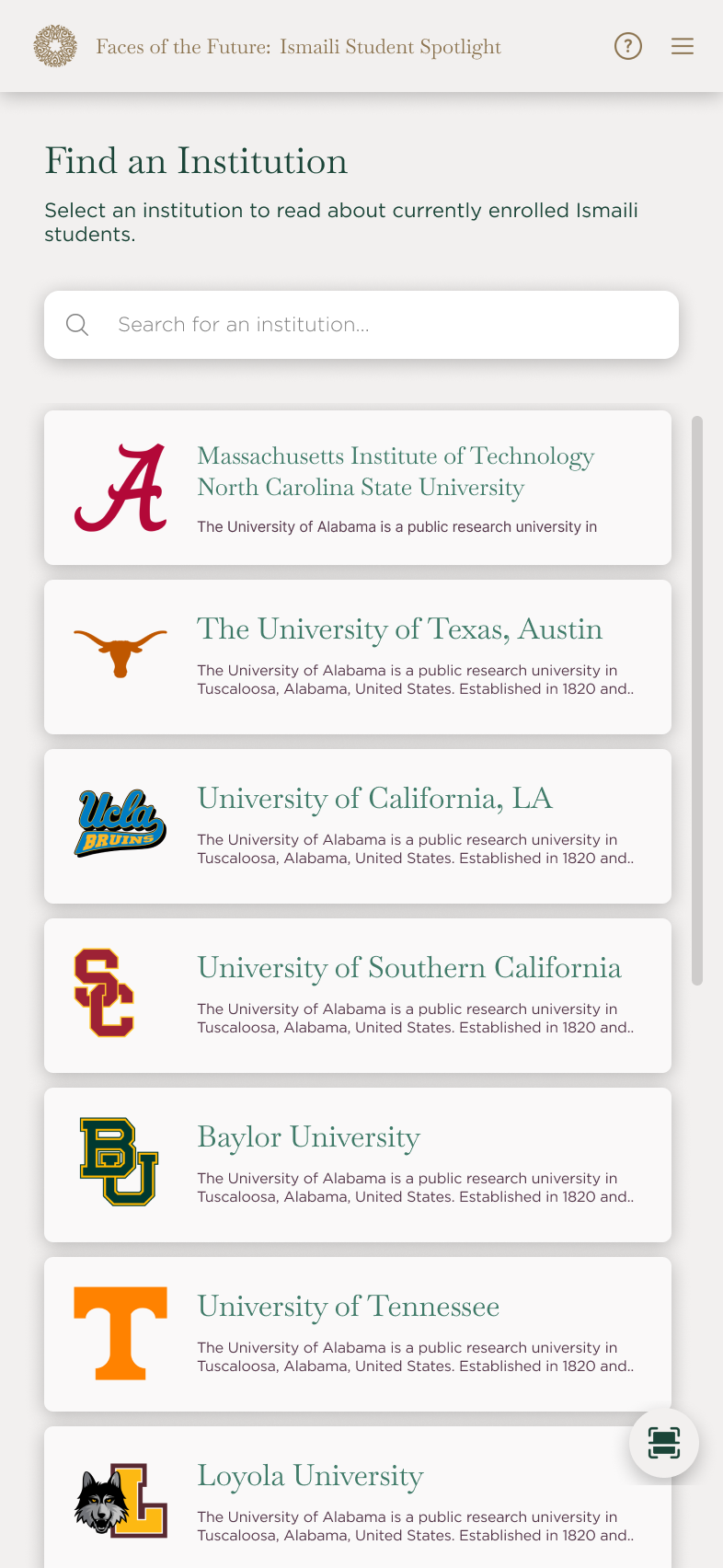
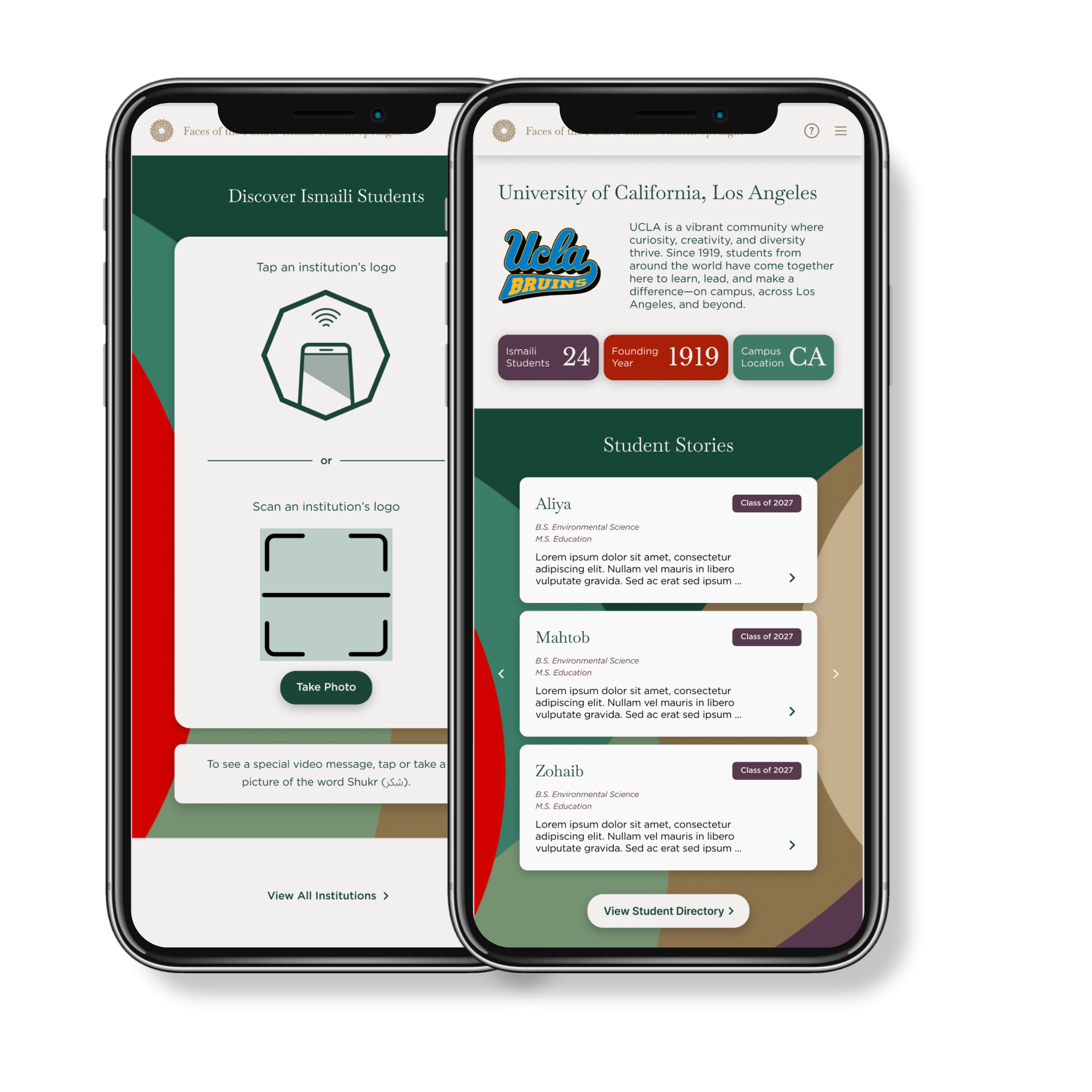
Pictured above: the three user access points, showing how students could explore submissions whether on site or remotely.
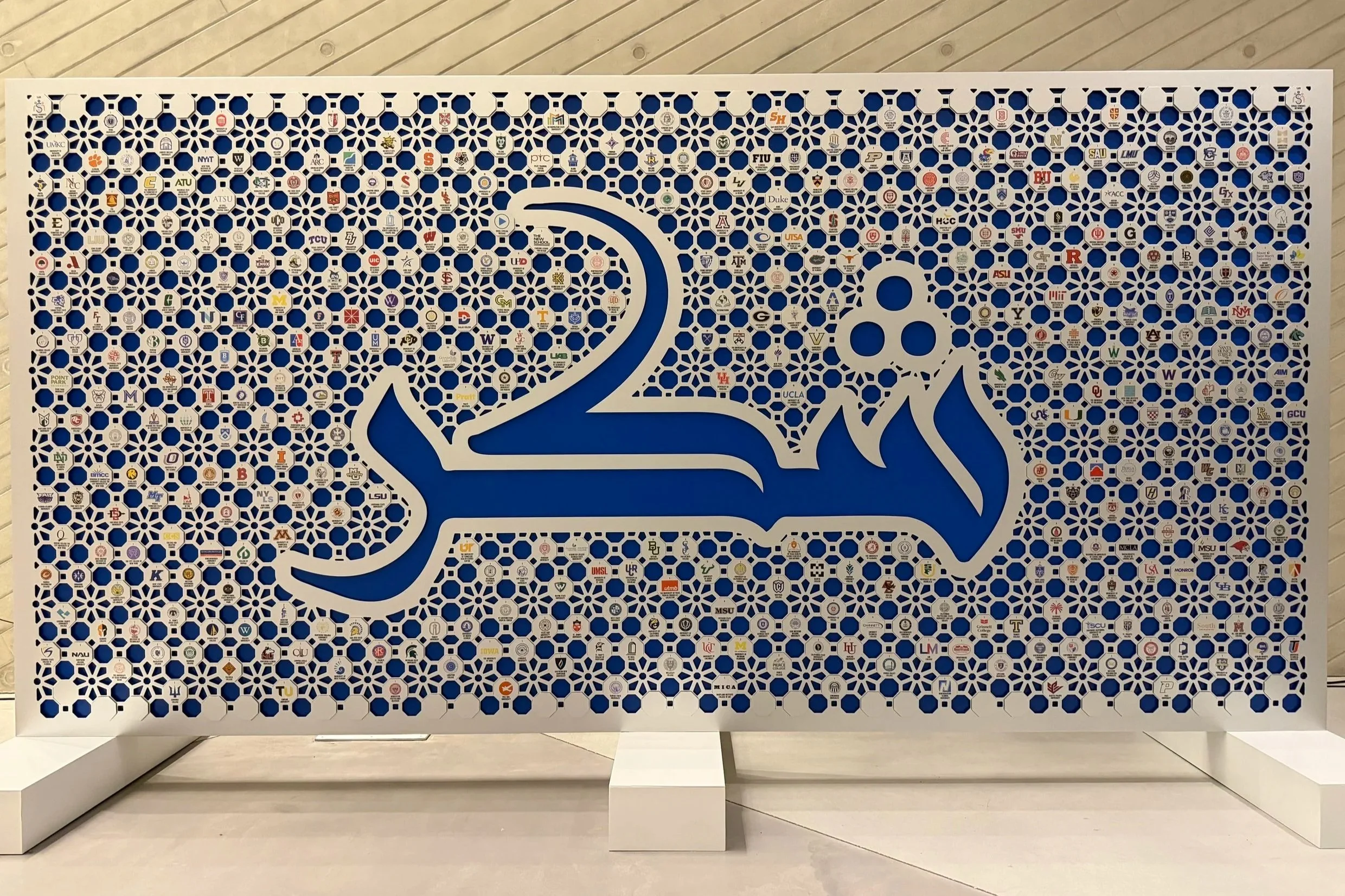
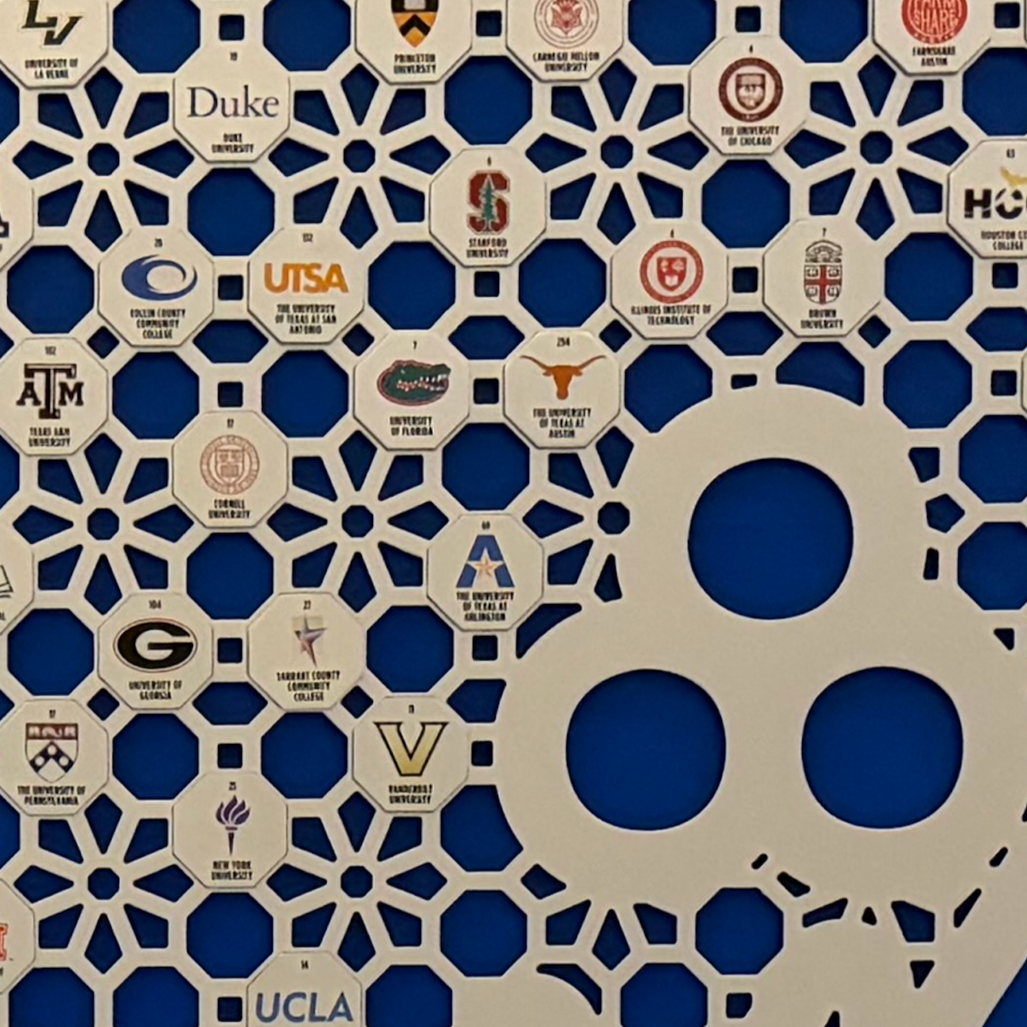
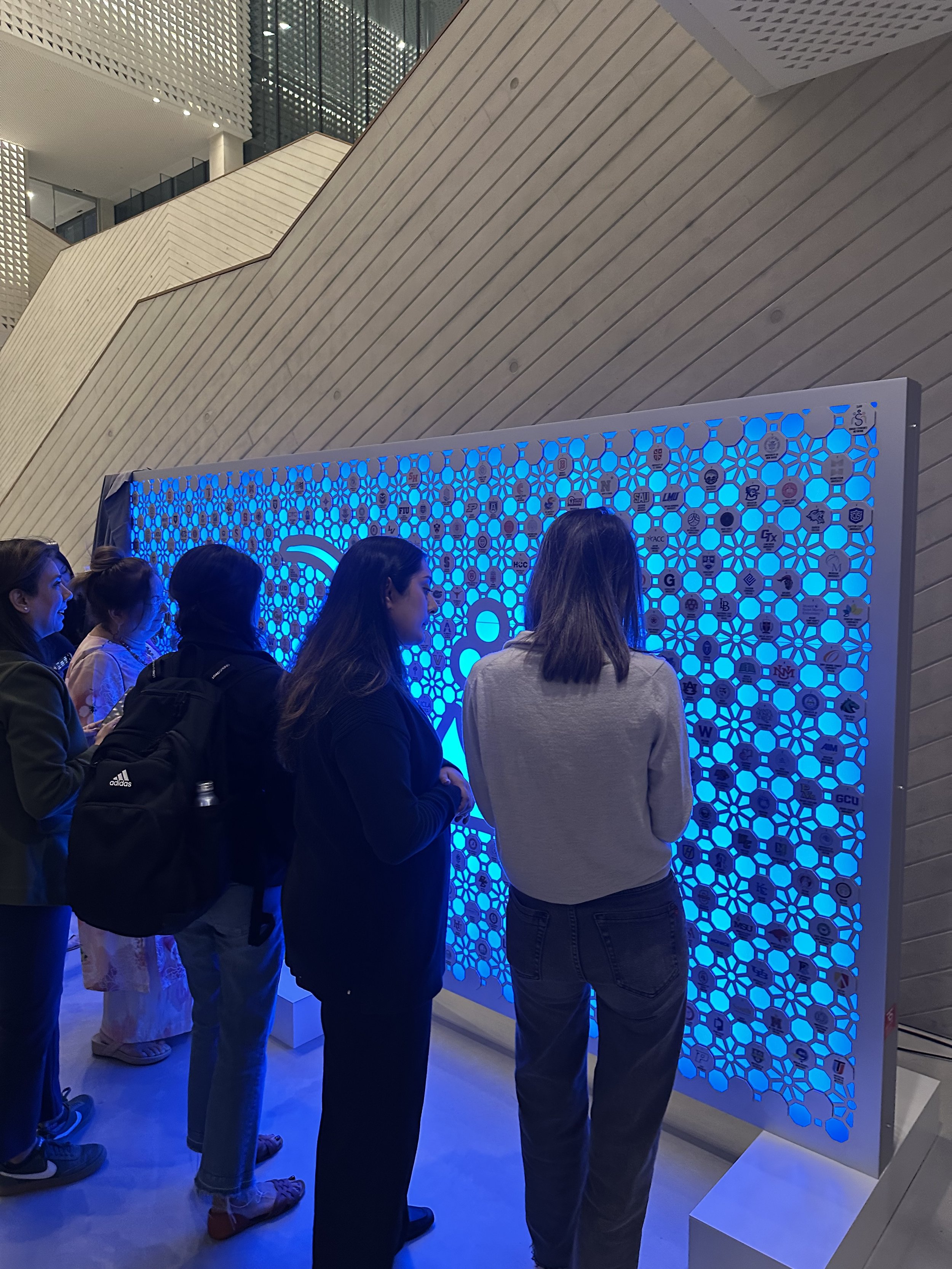
Pictured above: a look at the installation and NFC tags
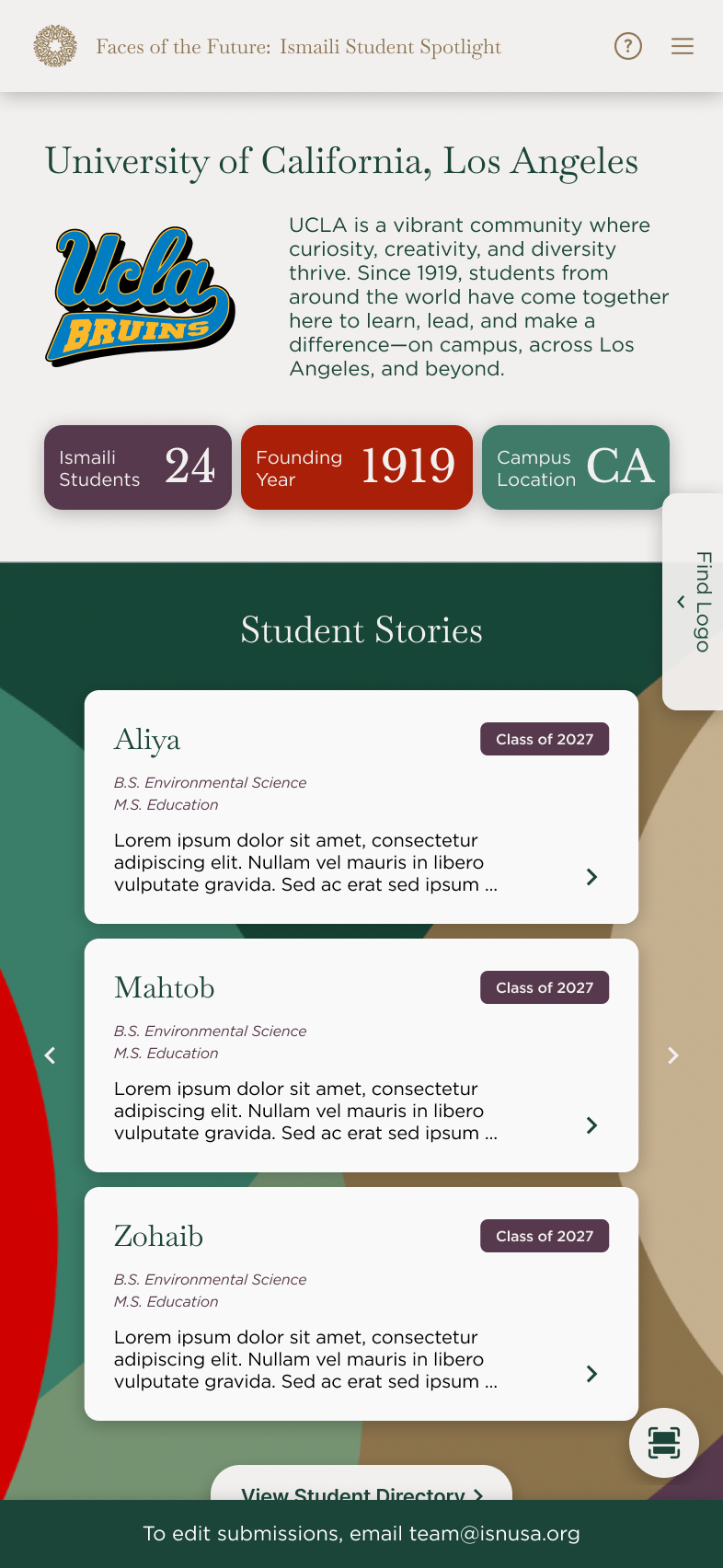
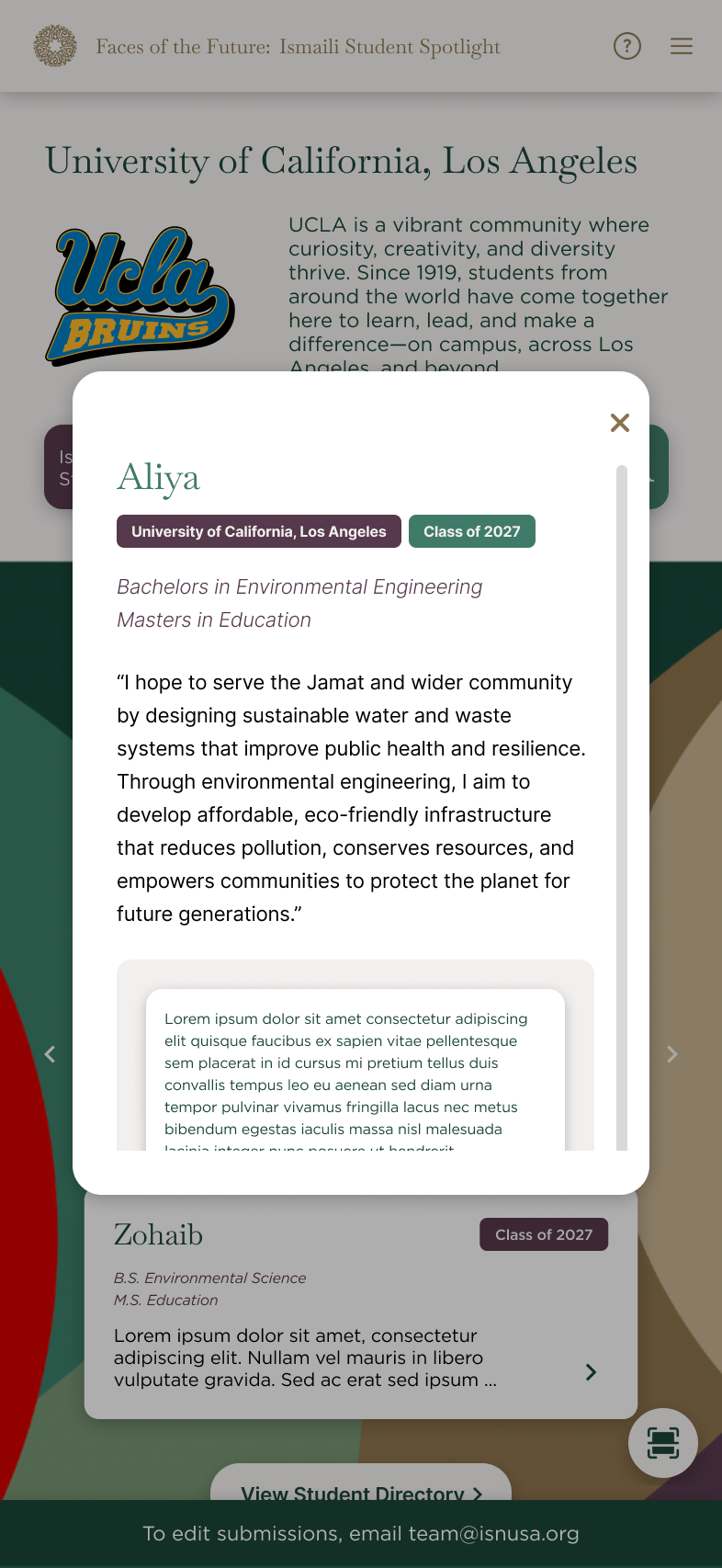
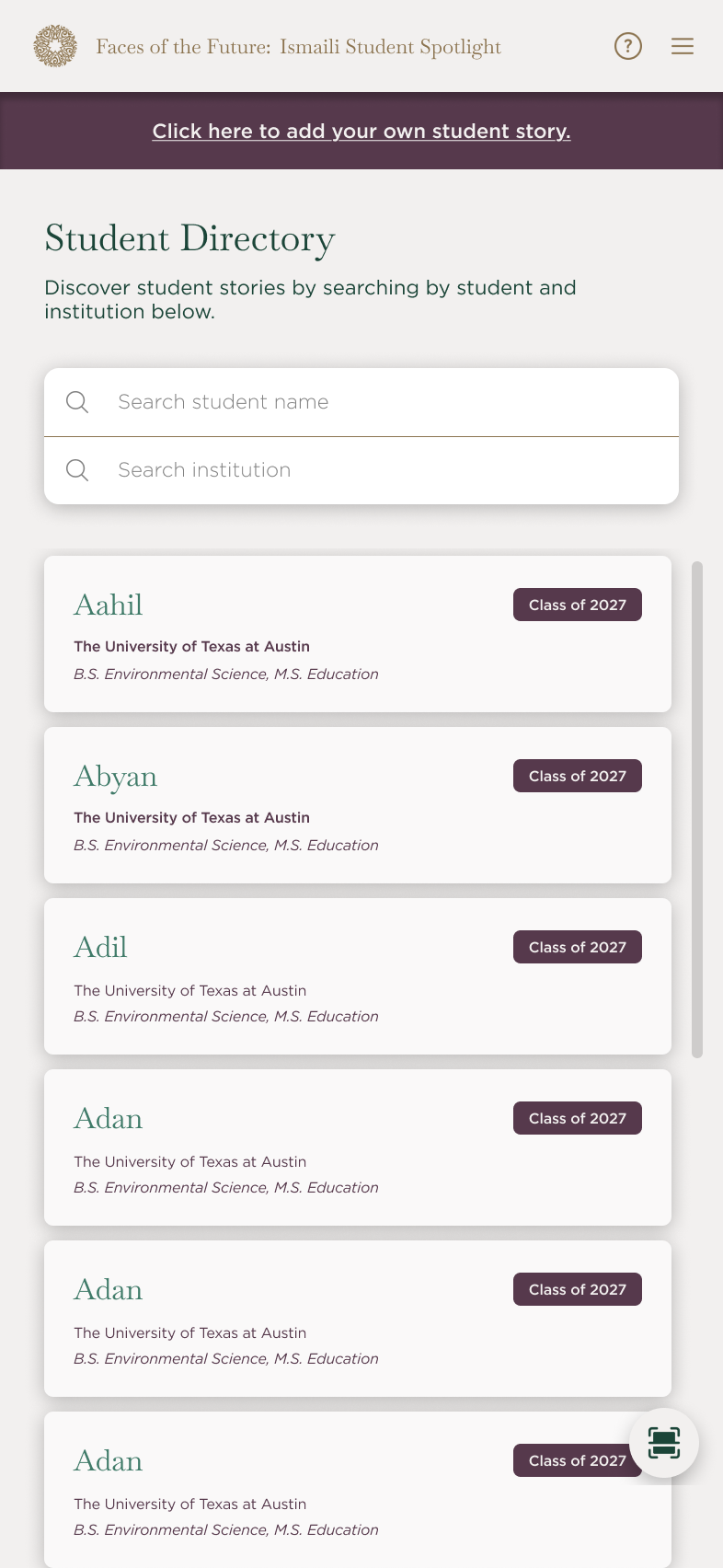
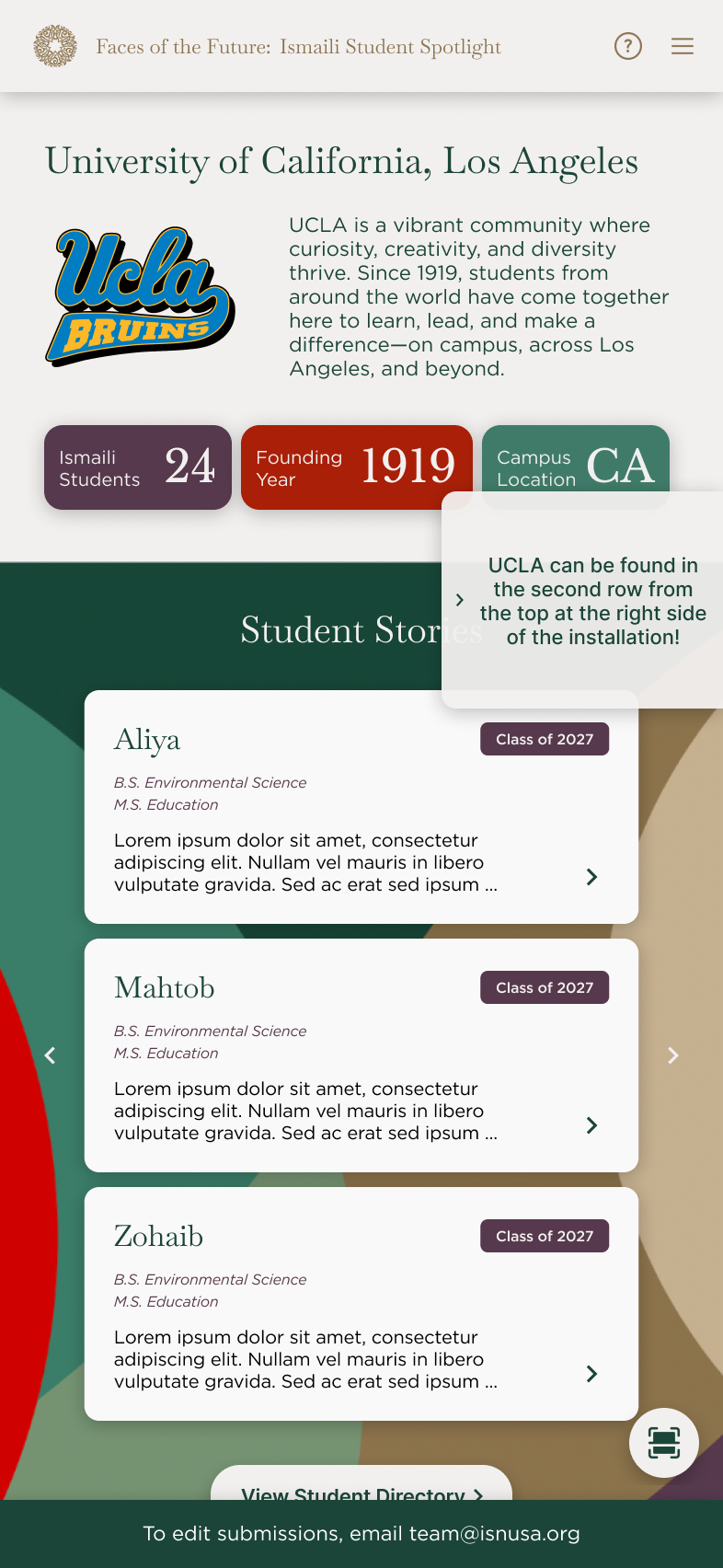
Pictured above: the student submissions screen, showing individual student profiles as well as the full list of submissions from the institution.
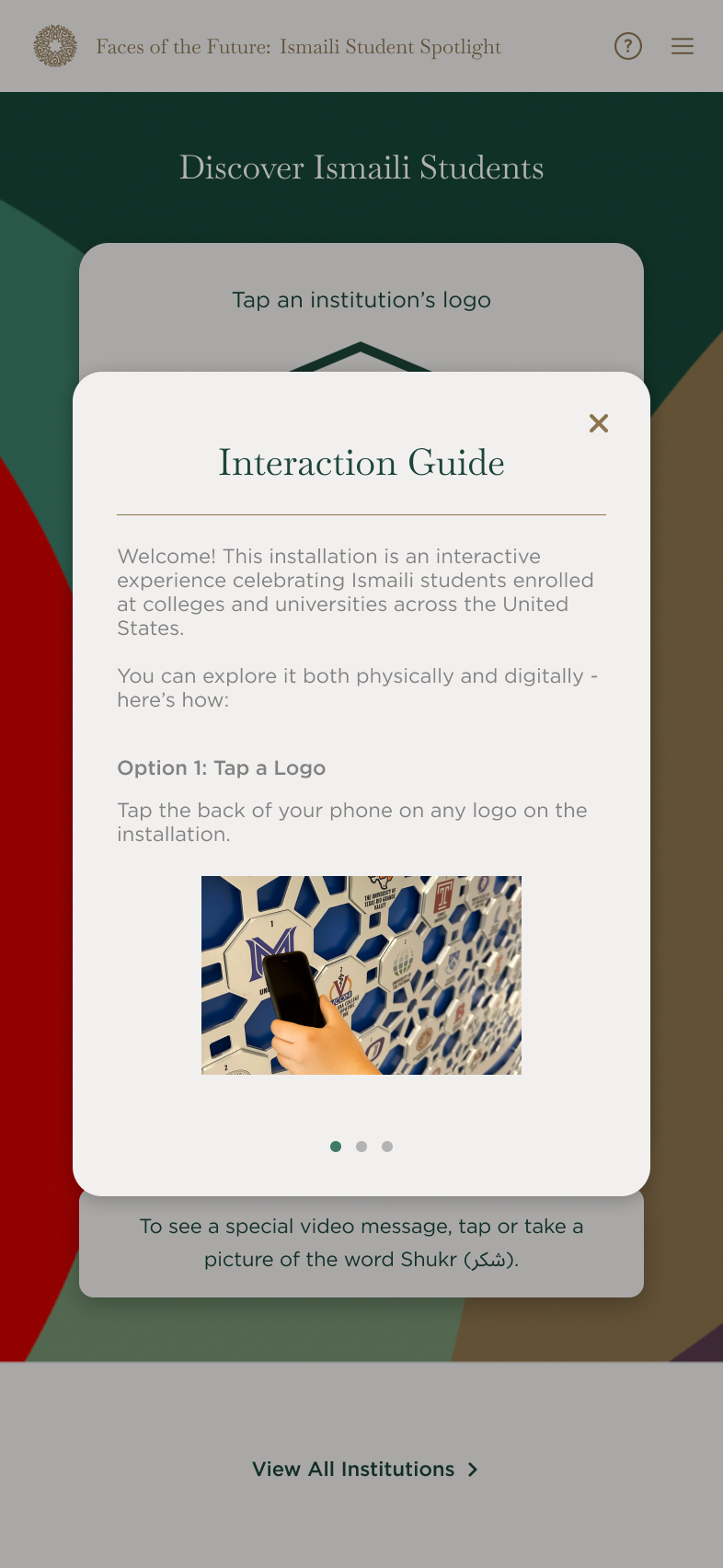
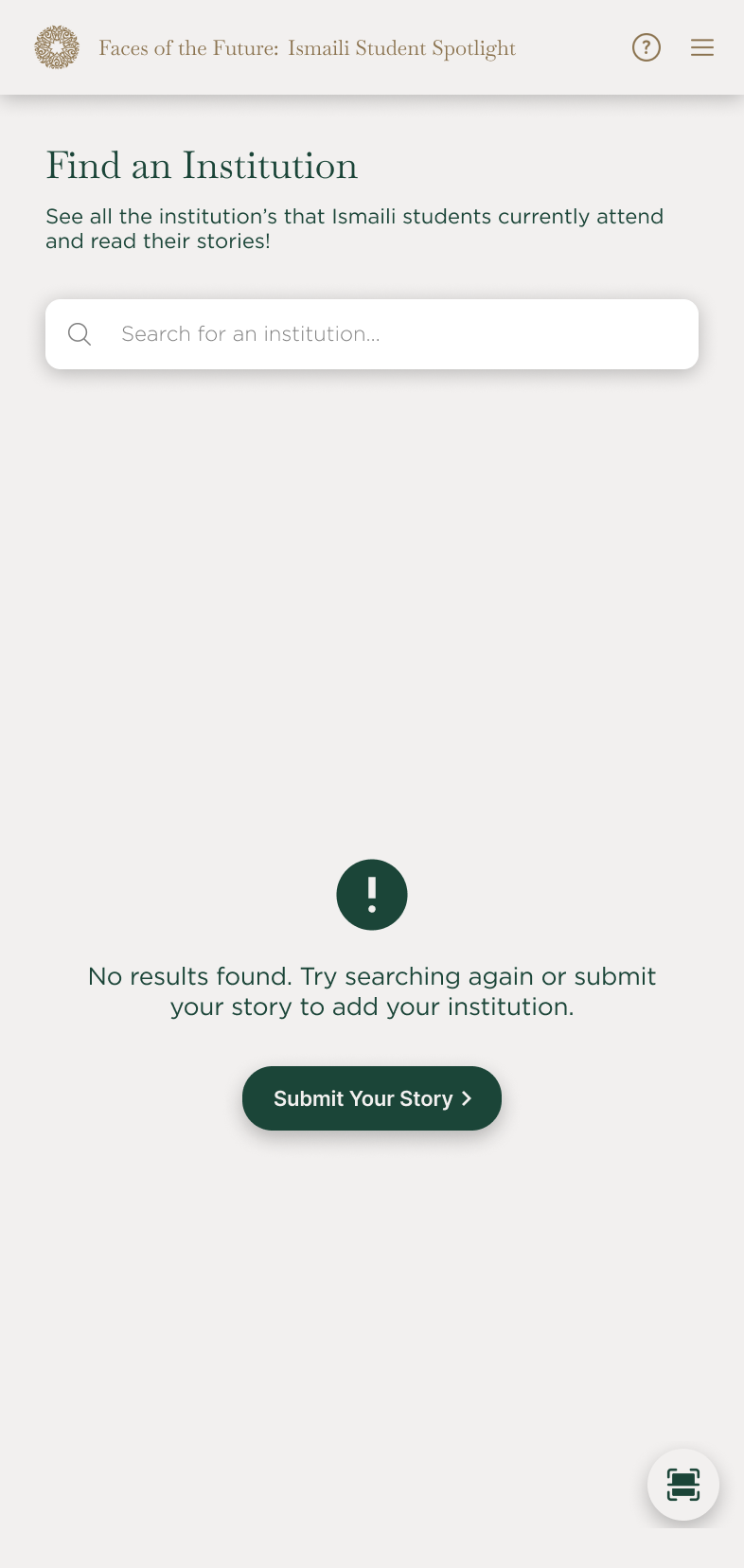
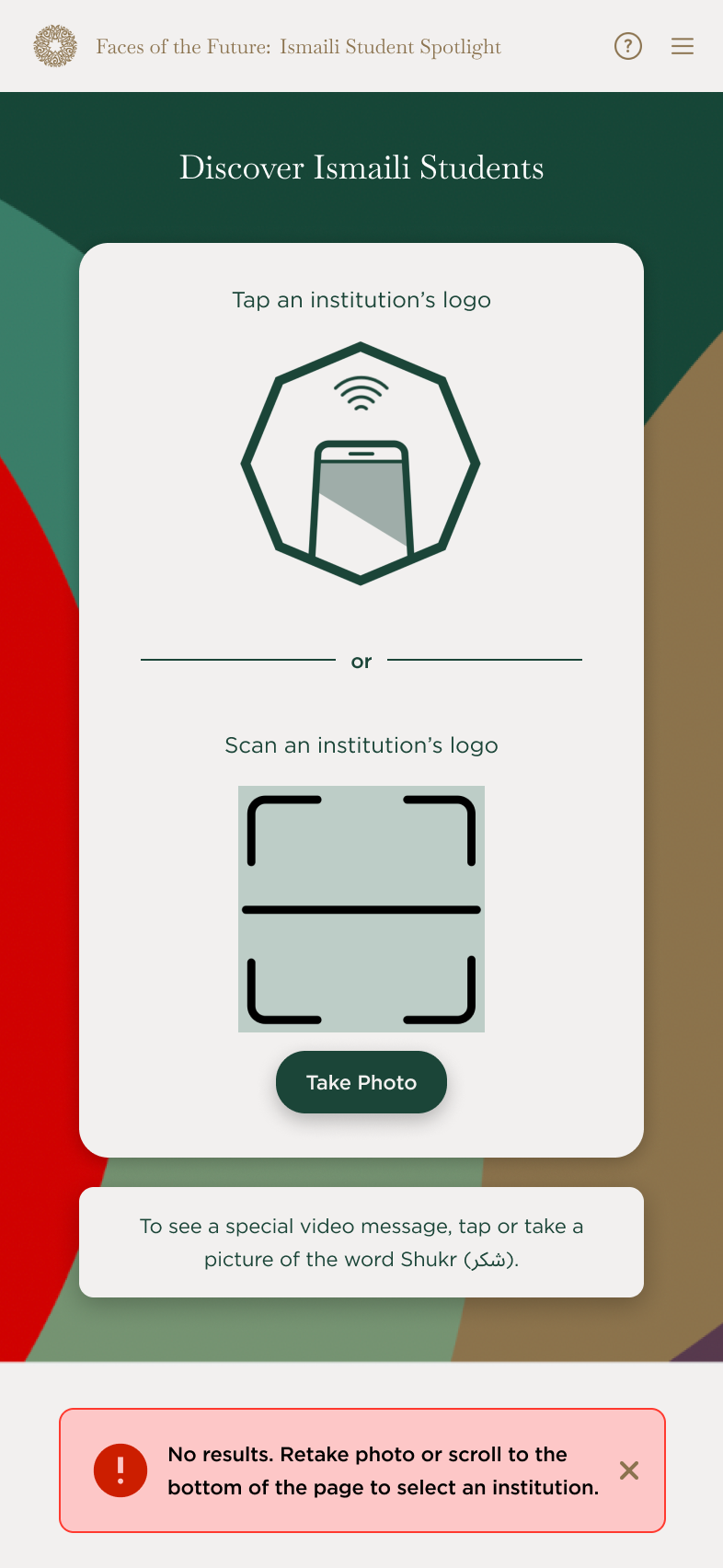
Pictured above: design solutions addressing edge cases and alternative access scenarios for users.
Through iterative testing, user feedback, and close collaboration with engineering, the platform was successfully delivered and proved 100% functional across all access points. The final experience allowed users to reliably explore student submissions whether on site via NFC, through the QR code backup, or remotely via search. By providing multiple, intuitive pathways and contextual guidance, the design ensured broad accessibility and engagement for users of all ages and technical backgrounds. The solution demonstrated the effectiveness of a user-centered, flexible approach, turning a physical installation into an interactive, inclusive platform that celebrated the achievements of the student community.
Today, the installation is proudly on display at the Ismaili Centre Houston, a central hub for the community. Its presence allows visitors and residents alike to engage directly with the student stories, making the platform not just a digital experience, but a living, accessible showcase of the community’s talent and accomplishments.
03: Solution & Results